Expert Collision Restoration Solutions to Restore Your Car's Integrity
Professional collision repair solutions play a critical role in bringing back a automobile's overall condition after an collision. Skilled technicians evaluate harm meticulously, ensuring protective systems function properly. Utilizing specialized tools and premium components, they follow manufacturer standards to avoid subsequent problems. However, not all service centers offer the same amount of knowledge. Knowing which factors matter can produce meaningful results in the outcome. What factors should one consider when selecting a collision repair shop?
The Importance of Collision Repair Offerings
When a vehicle incurs harm from a collision, the significance of collision repair services becomes evident. These options serve a vital role in useful resource restoring a car's protection and performance. Damage, whether structural or cosmetic, can undermine the car's integrity, posing risks to the operator and passengers. Thorough restoration guarantees that all protective systems, such as air cushions and impact absorbers, function as intended.
Additionally, prompt damage restoration can prevent further degradation of the car. Delaying repairs may result in corrosion, alignment problems, or additional complications that can increase repair costs and diminish the car's resale value. Furthermore, certified collision repair services utilize advanced equipment and methods to meet manufacturer specifications, making certain that the car achieves its factory state. Overall, choosing professional collision repair not only improves safety but also preserves the vehicle's durability and functionality, rendering it an essential step after any collision.
Experienced Collision Repair Technicians and Their Impact
Accomplished collision repair technicians are necessary for confirming that automobiles are refurbished to their ideal condition after an impact. Their expertise goes past superficial cosmetic fixes; they maintain the competence to assess constructional impairment and implement the necessary repairs to sustain security and operation. Educated in the latest technologies and repair techniques, these experts can accurately diagnose complicated matters that may not be clearly evident.
Moreover, expert technicians have availability of high-grade components and materials that comply with industry standards, guaranteeing durability and dependability in restoration work. Their familiarity with various vehicle makes and models enables them to customize restoration specifically to situation, enhancing the vehicle's performance post-collision.
Furthermore, their abilities help maintain the vehicle's resale value, making expert collision repair an investment rather than just a necessity. In an industry where precision is pivotal, the role of expert collision repair technicians cannot be exaggerated.
What You'll Face When Your Vehicle Undergoes Collision Restoration
During crash restoration, the initial phase is an preliminary inspection to identify all affected areas. After this assessment, a comprehensive summary of the repair process is given to the vehicle owner. Understanding these stages assists set clear expectations for the timeline and outcomes of the repair.
Preliminary Damage Analysis
Evaluating the first damage is an essential step in the collision repair process. This evaluation typically begins with a comprehensive visual inspection by qualified technicians, who examine the exterior and interior of the vehicle for visible signs of impact. They assess areas such as the frame, body panels, and mechanical components to identify both obvious and hidden damage. Advanced diagnostic tools may be employed to further evaluate structural integrity and alignment issues. Photographs are often taken to document the condition of the vehicle before repairs commence. Following this assessment, technicians compile a detailed report outlining necessary repairs and associated costs. This extensive evaluation guarantees that the repair process is informed and efficient, setting the stage for restoring the vehicle's integrity.
Repair Workflow Outline
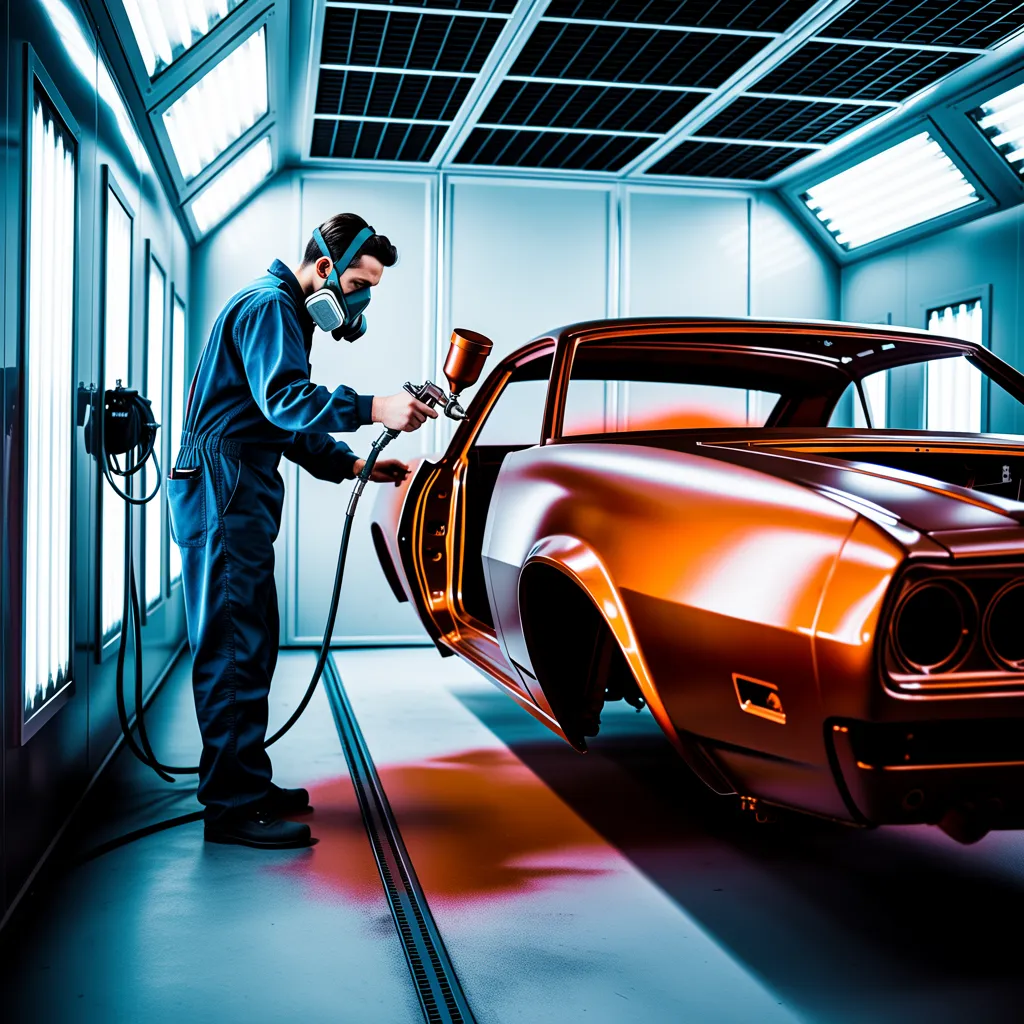
The collision restoration procedure unfolds in several key phases, each intended to restore the vehicle to its pre-accident condition. First, technicians take apart broken components to evaluate the extent of restoration needed. This is followed by structural work, where any damaged frames or panels are straightened or substituted. Next, the vehicle undergoes bodywork, such as sanding, filling, and priming surfaces to ready for painting. Once the body is restored, the painting process begins, guaranteeing color matching and a smooth finish. Lastly, technicians put back together the vehicle, replacing parts and conducting thorough quality checks. Throughout this process, communication with the vehicle owner is kept up to give updates and ensure satisfaction with the repairs. In the end, this systematic approach ensures the vehicle's safety and integrity.
Essential Warning Signs Your Vehicle Requires Collision Service?
What indicators should one watch for to determine if a automobile requires emergency collision repair? Multiple vital red flags demonstrate that quick action is essential. To start, obvious damage including bumps, scratches, or damaged parts might jeopardize the automobile's frame strength. Also, strange sounds such as squealing or banging can indicate serious issues. A steering wheel that's misaligned or control problems with the automobile typically point to frame damage, requiring swift repair.
Additionally, fluid leaks underneath the vehicle may point to major issues with essential systems, such as brakes or transmission. Warning lights on the instrument panel, particularly those concerning safety features, should never be ignored. Finally, if the car's performance has significantly declined, it may be appropriate to schedule an assessment. Addressing these signs promptly can prevent further damage and ensure the automobile stays safe for driving.
Selecting the Top Collision Fix Shop for You
Recognizing the need for collision repair is only the first step; finding the right shop to tackle those issues is equally important. Potential customers should begin their search by considering shops with established standing, verified customer reviews, and appropriate certifications. Recommendations from friends or family can also provide helpful insights.
When a candidate list has been made, visiting the locations can help judge their standards and upkeep. It is critical to inquire about the repairs available, the background of the technicians, and the warranties offered. Honest pricing and a thorough estimate further reveal a trustworthy service.
Moreover, verifying links with major insurance companies can hasten the claims process. Ultimately, the best collision repair shop should not only safeguard the vehicle's integrity but also develop trust through honest dialogue and customer service. Making a deliberate decision can greatly optimize the repair experience.
Guidance for Caring for Your Vehicle After Repair
Caring for a vehicle after collision repair is essential for prolonging its longevity and performance. After receiving repairs, it is important to follow a scheduled maintenance plan, which includes oil changes, tire rotations, and brake inspections. This routine care helps protect the integrity of the repaired areas and promotes optimal functioning.
In addition, drivers ought to prevent harsh driving conditions immediately following repairs. Smooth driving enables the vehicle's components to settle properly and reduces the chance of additional harm. Routine washing and waxing also are essential in protecting the newly painted surfaces from environmental elements.
In conclusion, observing the vehicle for any strange sounds or performance concerns is crucial. Handling quickly any concerns with a certified specialist can avert minor problems from escalating. By sticking to these recommendations, vehicle owners can maintain the quality of their repairs and enhance the overall longevity of their vehicle.
Frequently Questioned Items
Can My Insurance Handle All Collision Repair Costs?
Protection pertaining to crash repair costs under your insurance is based on the plan and out-of-pocket amount. Typically, comprehensive and collision protection may cover the bulk of costs, but it's important to examine the exact details and provisions contained in your insurance policy.
How much time does a typical accident restoration require?
A typical collision repair may require anywhere from a few days to several weeks, depending on the extent of the damage, the parts availability, and the repair facility workload involved.
Can I Choose My Own Auto Shop?
Yes, individuals can pick their own service center for collision repairs. However, they should check if their insurance policy permits this option, as some insurers may have preferred providers for cost efficiency and quality assurance.
What Protections Are Available on Collision Repairs?
Warranties for collision repairs typically vary among shops, generally including workmanship and parts for a set period. Customers should ask regarding specific warranty details to guarantee adequate protection and peace of mind after repairs are finished.
Will rental cars be supplied in the course of the servicing period?
Many accident repair facilities provide loaner vehicles during the restoration period. This service typically depends on the insurance coverage and specific shop policies, guaranteeing clients have transportation while their car is being repaired.